



When we think about hair growth, we often focus on what we can see: length, thickness, texture, or split ends. But the most important part of the story happens at the start, just beneath the surface. Healthy hair growth begins at the scalp.
How Are Hair and Scalp Health Connected?
Hair and scalp health are deeply connected because the scalp is the environment where hair follicles grow. If follicles become clogged, damaged, or aren’t getting the support they need, the hair-growth cycle may not function as well as it should be. Caring for your scalp helps maintain an environment that supports healthy-looking hair.

How Does Hair Grow From the Scalp?
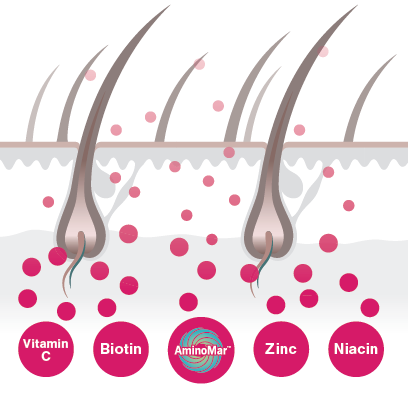
Hair grows from hair follicles located just beneath the scalp. Each follicle houses the hair root, where growth begins and the hair-growth cycle takes place. Blood vessels surrounding the follicle deliver oxygen and nutrients that help support healthy hair growth.
Sebum is an oily substance made by sebaceous glands that are attached to your hair follicles in your dermis, the middle layer of your skin. Sebum helps moisturize and protect the scalp; however, too much sebum can lead to buildup and potentially clog follicles.
Why Is My Hair So Thin I Can See My Scalp?
Seeing your scalp isn’t automatically a problem, as it may be visible depending on your natural hair density, hair texture, or how your hair is currently growing. But if it’s new for you or you feel your hair is thinning, it can help to first understand what you're experiencing, as brittle hair and thinning hair aren't the same thing. You may also consider speaking with a healthcare provider to better understand what’s going on.
Can Scratching an Itchy Scalp Cause Hair Loss?
Yes, scratching may cause excessive hair shedding, that’s why it’s important to speak with your healthcare professional and figure out the root cause of your itchy scalp.
Why Does My Scalp Itch?
An itchy scalp can have many causes including product buildup, dryness, hydration habits, or sensitivity to an ingredient in your hair-care routine. Everyone’s scalp needs are different, so what works well for someone else may not work for you.
If you’ve adjusted your routine and the itching continues, it’s important to identify the cause by discussing your concerns with a healthcare professional.
How Do You Know If Your Scalp Is Healthy?
A healthy scalp normally feels comfortable and doesn’t have persistent irritation, flakes, bumps, or heavy buildup. Your scalp has ways to stay balanced: the sebaceous glands in the dermis produce sebum for skin and scalp moisturization, and dead skin cells on your scalp are shed, making room for new skin cells.
Factors in your environment can also impact your scalp. For example, if you are outside in the sun a lot, live in an area with smog, or have hard water, these factors and the hair care products that you use can affect scalp health. Let’s talk about how adding in a few healthy habits can improve your scalp.
What Is a Good Scalp Care Routine?
A good scalp care routine is one that is easy to manage while keeping the scalp clean, balanced and healthy. It doesn’t need to be complicated. Because everyone’s hair and scalp are different, you may need to test a few products to find out what works best for you.
Each of the steps below can help on its own, but together they provide well-rounded support for scalp and hair health.

Gently Exfoliate the Scalp:
Gentle exfoliation can help your scalp. It’s a great starting point for cleansing your scalp and helps get rid of dirt and excess oils that can reside on your scalp. It also removes dead skin cells that can clog your pores.
Cleanse the Scalp and Hair:
Cleansing helps remove sweat, oil, pollution, and product build-up from both the scalp and hair. If you use styling products regularly, consider shampooing twice: the first one helps wash off residues, and the second focuses on cleaning the scalp and hair more completely. Finish with conditioner to replenish moisture and help hair feel softer, smoother, and easier to manage.
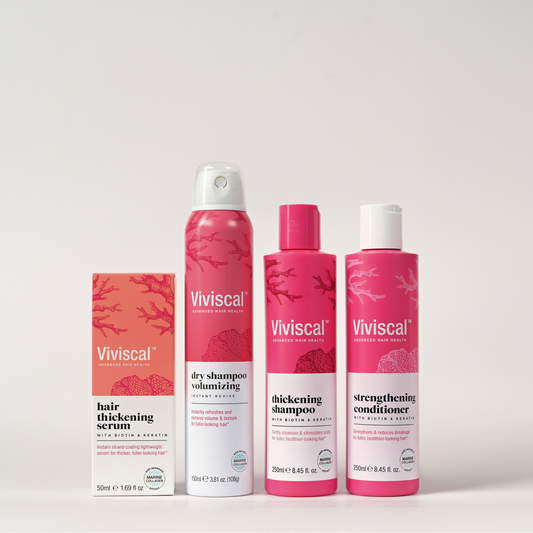
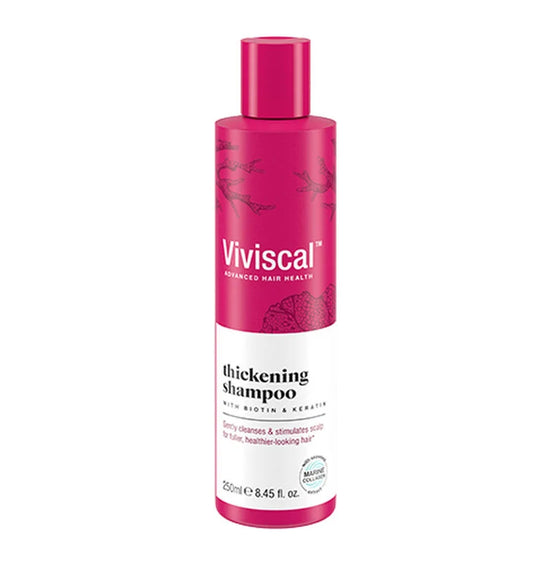
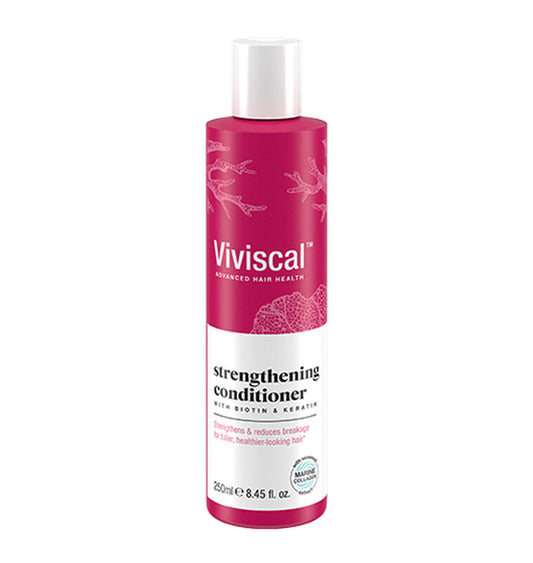
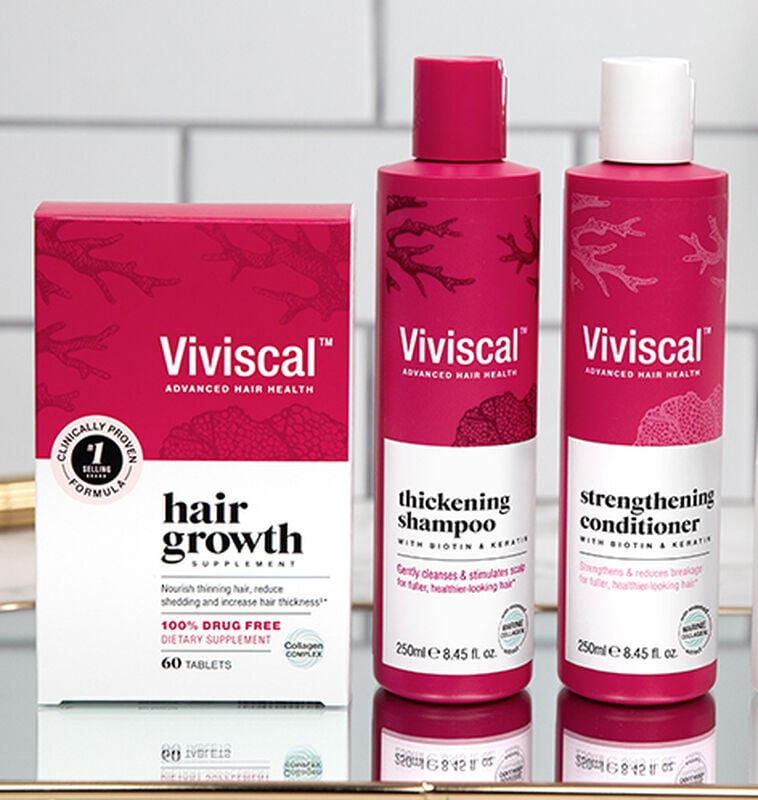
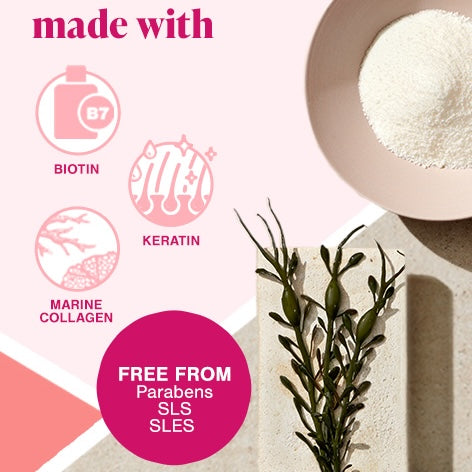
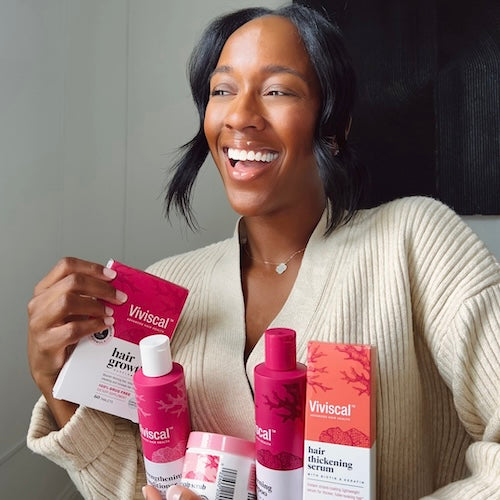
If you’re looking for a gentle shampoo-and-conditioner duo, check out our Viviscal Thickening Shampoo and Strengthening Conditioner Collection! They both feature an invigorating floral fresh fragrance and are paraben-free, SLS-free, and SLES-free.
Massage the Scalp:
A gentle scalp massage can help promote circulation and may support relaxation and stress management. Try using your fingertips (not nails) to massage your scalp in small circles for 30–60 seconds, either while shampooing or applying conditioner or serum.
Protect Your Scalp From the Sun:
Your scalp is skin, too! So, it benefits from protection from the sun’s UV rays. A hat is an easy, effective way to shield the scalp, especially along parts or areas with thinner hair. Wide-brim styles can also help protect your face and ears.
Nourish Hair Health From Within:
What you eat can support scalp and hair health by supplying the nutrients your body needs. Focus on nutrient-dense foods such as fruits, vegetables, lean meats, poultry, beans, lentils, tofu, nuts, and seeds. Aim for variety, as different foods offer different combinations of vitamins, minerals and many other nutrients.

- Enjoy your protein – in many varieties!
- If you enjoy meat, make sure to eat lean poultry (chicken and/or turkey) and lean red meat such as beef trimmed of fat as great sources of protein. Beef and seafoods such as oysters and clams are also great food sources of zinc and iron – two important nutrients to maintain hair health.
- For vegetarians, add eggs or dairy foods like yogurt on your plate to meet your protein needs. Eggs, especially egg yolks, contain biotin, an essential B-vitamin that supports skin and hair health. Tofu and legumes such as lentils, chickpeas, and beans are also fantastic ways to get plant-based proteins.
- Fruits and vegetables – fresh, frozen or canned – contain a good spectrum of essential vitamins and minerals, each with different benefits. One example is vitamin C, which plays crucial roles to help fight against oxidative stress, supports collagen formation and skin health, as well as iron absorption.
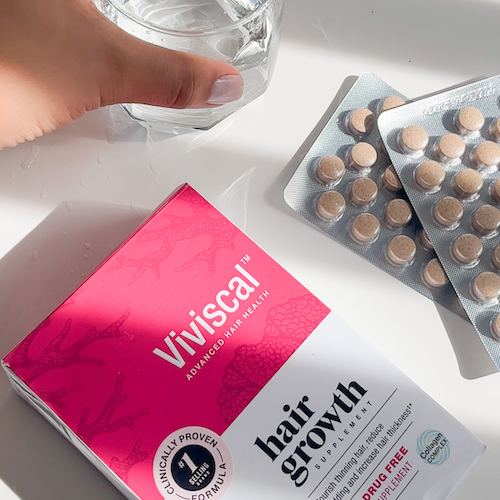
- If you would like additional nutritional support as part of your hair wellness routine, consider Viviscal’s 4D supplement. Formulated with soluble keratin, vitamin A, vitamin E, B vitamins, Zinc, and Copper, it provides nutritional support for healthy hair and scalp appearance and helps support hair fullness and strength.*
Supporting Healthy Hair Growth Starts With the Scalp
Your scalp isn’t just the skin on top of your head. Give your hair a solid base to grow from with a good scalp routine. Daily care for your scalp is just like building a firm foundation for a strong house. Maintaining a healthy scalp is an important part of a comprehensive hair-care routine. To ensure you are getting all your hair health needs met, consider adding Viviscal’s supplements.
Viviscal’s Cleanse + Fortify bundle provides the supplies you need for taking care of your scalp and hair. This bundle helps you cleanse away product build-up from the base of your hair follicles with our shampoo and conditioner, while refreshing and adding volume with our volumizing dry shampoo.
Brought to you by the ViviscalTM nutrition experts.
*These statements have not been evaluated by the Food and Drug Administration. This product is not intended to diagnose, treat, cure or prevent any disease.